
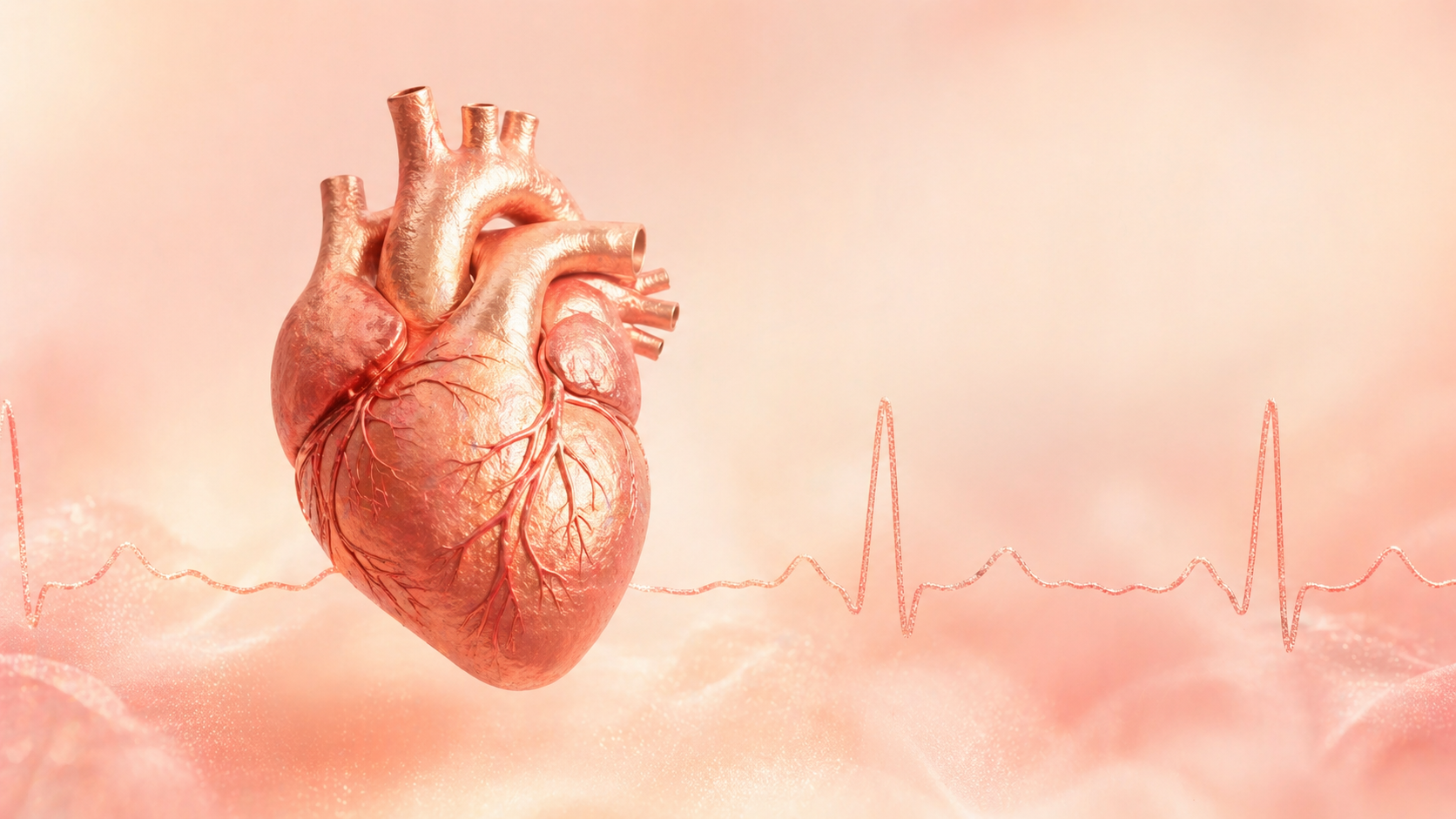
Most of us have a clear mental image of a heart attack: a man clutching his chest, falling to one knee. That image is shaped by film and television. It is also the wrong image to have in mind if you are an Australian woman.
Cardiovascular disease is the leading cause of death in Australian women. Women are more likely than men to die in the first year after a heart attack, and one of the reasons is delay — both in seeking care and in being diagnosed once they arrive at hospital.
The symptoms that often get missed
Crushing central chest pain is one presentation of a heart attack, but it is far from the only one. Women are more likely than men to present with:
- Unexplained breathlessness
- Fatigue out of proportion to activity
- Pain in the upper back, jaw, neck, or arm rather than the chest
- Nausea or indigestion-like discomfort
- A sense of unease or impending doom
These symptoms are easy to attribute to anxiety, reflux, or musculoskeletal pain. They sometimes are. But in the right clinical context — particularly with risk factors, exertional triggers, or a strong family history — they should prompt an electrocardiogram and a troponin blood test, not reassurance.
What you can do
If you are uncertain whether your symptoms are cardiac, the safest action is to call triple zero. Australian ambulance services are well practised at sorting out chest pain on the way to hospital and getting people to the right care quickly.
If you have intermediate-risk features and recurring symptoms — exertional breathlessness, atypical chest discomfort, female-specific risk factors such as pre-eclampsia or premature menopause — book a non-urgent review with your GP and ask for a formal cardiovascular risk assessment. A specialist referral is appropriate when the picture is unclear or risk is intermediate-to-high.
This article is general in nature and is not a substitute for individual medical assessment.